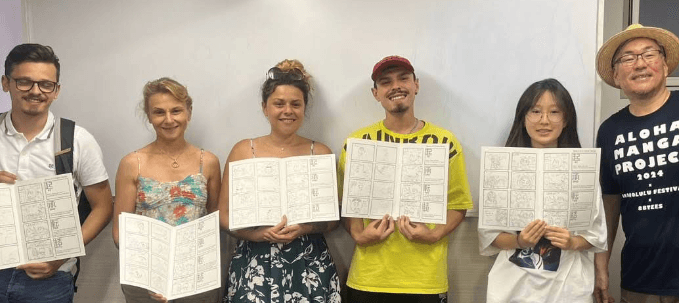
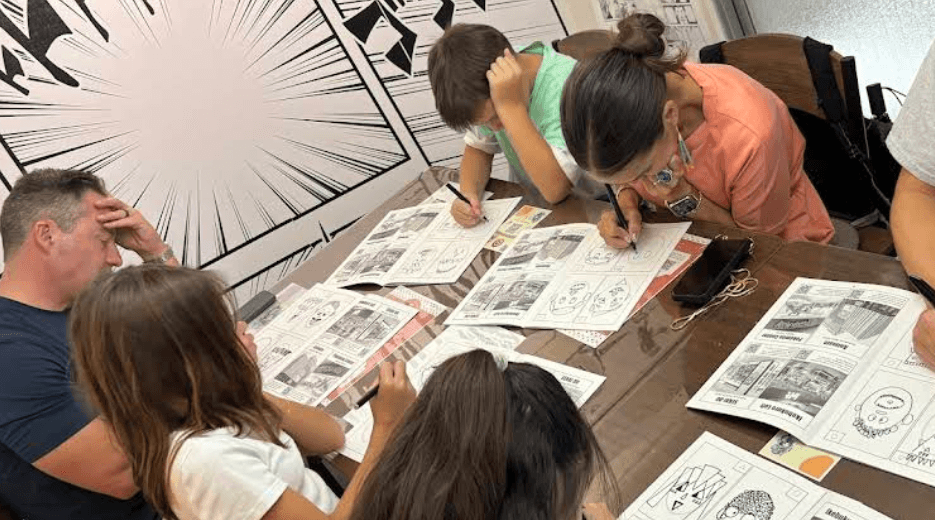
Sketchbook and pencils for manga study

Programs

Courses & programs

Each track lists modules, materials, audience fit, and how we set expectations. Schedules and fees are confirmed after you enquire—nothing hidden, nothing guaranteed beyond structured teaching.

Manga basics visual

Materials: Studio provides basic pencils and paper for in-person sessions. Digital learners receive a short gear guide (tablet settings, export presets) before week one.

BeginnerTypical cohort: 8 weekly sessions (exact schedule confirmed at enrollment).

Manga basics

Foundations for characters, lines, and simple pages.

This program starts with pencil and paper habits: line quality, basic construction, and manga-style proportions. You move from quick sketches to cleaner character drawings and short comic strips with clear readability.

We alternate between short drills (15–20 minutes) and longer page exercises so your hand and eye stay engaged without burnout. Homework is designed to fit around work schedules: most learners spend three to six hours per week outside class, but your instructor will help you scale that up or down.

Who it's for

Absolute beginners, hobbyists switching from other art styles, or anyone who has drawn informally but never followed a structured manga curriculum.

Format

Small groups in Tokyo with optional online review sessions when available.

Weekly outcomes

  • Practice consistent line weight and simple shading for print-friendly pages.
  • Draw expressive faces and basic poses with reference and instructor demos.
  • Complete short exercises each week with written feedback on what to refine next.

Module map

Lines, shapes, and construction

  • Warm-up grids and contour exercises
  • Breaking figures into simple volumes before detail
  • Using light construction lines you can erase cleanly

Faces, hair, and expression

  • Front, three-quarter, and profile shortcuts
  • Eyes and brows that read at small print sizes
  • Hair as form instead of individual strand noise

Simple pages and readability

  • 4-panel and short strip formats
  • Balancing dialogue space with drawing space
  • Self-checklist before you submit for feedback

Honest note: Progress depends on practice between classes. We do not promise a fixed skill level by a specific date.

Advanced manga creation visual

Materials: Bring your preferred finishing tools (nibs, pens, or tablet). We provide print-size test sheets so you can proof contrast on paper.

IntermediateUsually 10 sessions; extension modules available for long-form projects.

Advanced manga creation

Depth for artists who already publish practice pages.

We focus on dynamic posing, backgrounds that support the story, and inking choices that survive reduction to print size. You bring works-in-progress; sessions combine demos, critiques, and targeted drills.

Critique sessions use a shared vocabulary so you know why a panel feels stiff or flat. You will maintain a sketch log between classes so instructors can see how you warm up and where habits slip in.

Who it's for

Learners who finished our basics track or can already complete rough comic pages independently.

Format

Studio sessions plus shared critique rounds (online or in person per cohort).

Weekly outcomes

  • Study composition and camera choices for action and dialogue scenes.
  • Tighten anatomy and perspective with photo reference and maquette-style thinking.
  • Prepare cleaner pencils or inks suitable for portfolio or anthology submission.

Module map

Dynamic posing and staging

  • Silhouette reads and gesture under clothes
  • Foreground / midground layering for depth
  • Action that still preserves readable anatomy

Backgrounds that support story

  • When to simplify vs. when to render
  • 1-point and 2-point shortcuts for interiors
  • Re-using assets ethically in long chapters

Finish quality for print

  • Line weight rules for reduction
  • Spot blacks and texture without muddy grays
  • Export checks before you send files out

Honest note: Advanced work takes time. We help you prioritize fixes that improve clarity fastest.

Storytelling & panel design visual

Materials: Templates for thumbnails and beat sheets are provided as PDF and FigJam-style boards for remote cohorts.

Beginner to intermediate (story experience helps).8 sessions with optional add-on for portfolio review.

Storytelling & panel design

Pacing, dialogue, and layouts readers can follow.

Story beats, scene transitions, and balloon placement are taught as craft—not formulas. You thumbnail chapters, revise for flow, and learn how editors describe common layout issues.

You will keep a beat sheet alongside thumbnails so every page change has a reason. Peer review uses structured prompts so feedback stays kind, specific, and useful.

Who it's for

Writers who draw lightly, artists who write, or teams pairing writer + artist roles.

Format

Workshop-style with weekly assignments and peer review guidelines.

Weekly outcomes

  • Break a script into scenes and pages with cause-and-effect clarity.
  • Place dialogue and sound effects so reading order stays obvious.
  • Revise thumbnails using a checklist used in our review sessions.

Module map

Scene structure on the page

  • Establishing shots vs. detail inserts
  • Scene-to-scene transitions that orient the reader
  • Pacing with silent panels

Balloons, captions, and SFX

  • Reading order in Japanese and English layouts
  • When captions steal space from art (and how to fix it)
  • Sound effects that support tone without clutter

Revision passes that stick

  • First pass: story logic
  • Second pass: panel flow
  • Third pass: dialogue trim

Honest note: Taste varies by reader; we teach conventions that reduce confusion, not “one right style.”

Publishing guidance visual

Materials: Bring a draft TOC, sample pages, and any publisher FAQ you are targeting—we annotate directly on your docs.

Open to learners who have draft work to discuss.4 core sessions + optional office-hour blocks.

Publishing guidance

Realistic paths for independent and small-press work.

We explain how doujin events, digital platforms, and small publishers differ in expectations. You learn file preparation, basic rights language to discuss with professionals, and how to set milestones without burning out.

Sessions include anonymized examples of cover letters, pitch one-pagers, and production calendars. We refresh platform links each term because requirements change; you always get the current checklist, not an outdated blog post.

Who it's for

Anyone with a near-complete chapter or short story who wants structured next steps.

Format

Seminars plus one-to-one document review slots.

Weekly outcomes

  • Compare submission requirements for sample publishers and platforms (subject to change).
  • Build a realistic production calendar from script to print-ready PDF.
  • Understand what an editor might request in a first revision pass.

Module map

Channels and expectations

  • Event tables vs. digital-first releases
  • What “first serial rights” usually means in plain language
  • When to hire a letterer or editor

Files, specs, and proofing

  • CMYK vs. RGB for print vs. screen
  • Bleed, trim, and safe zones
  • Preflight habits that prevent last-minute panic

Sustainable release planning

  • Buffer weeks you should actually keep empty
  • Marketing tasks that fit solo creators
  • Burnout warning signs and how we coach around them

Honest note: We share process knowledge, not placement guarantees. Contracts should be reviewed by qualified advisors when needed.

Enroll now